
home
How to Choose a Sofa for a Small Living Room
A compact-room sofa should support how you actually sit, host and move—not simply look small on a product page.
The complete edit
Sixty practical guides for purchases that need to work outside the product page.
A compact-room sofa should support how you actually sit, host and move—not simply look small on a product page.

Warm sleepers need breathable layers and honest return policies more than the highest fill number.

Good bedside light is bright where the page is and gentle everywhere else.
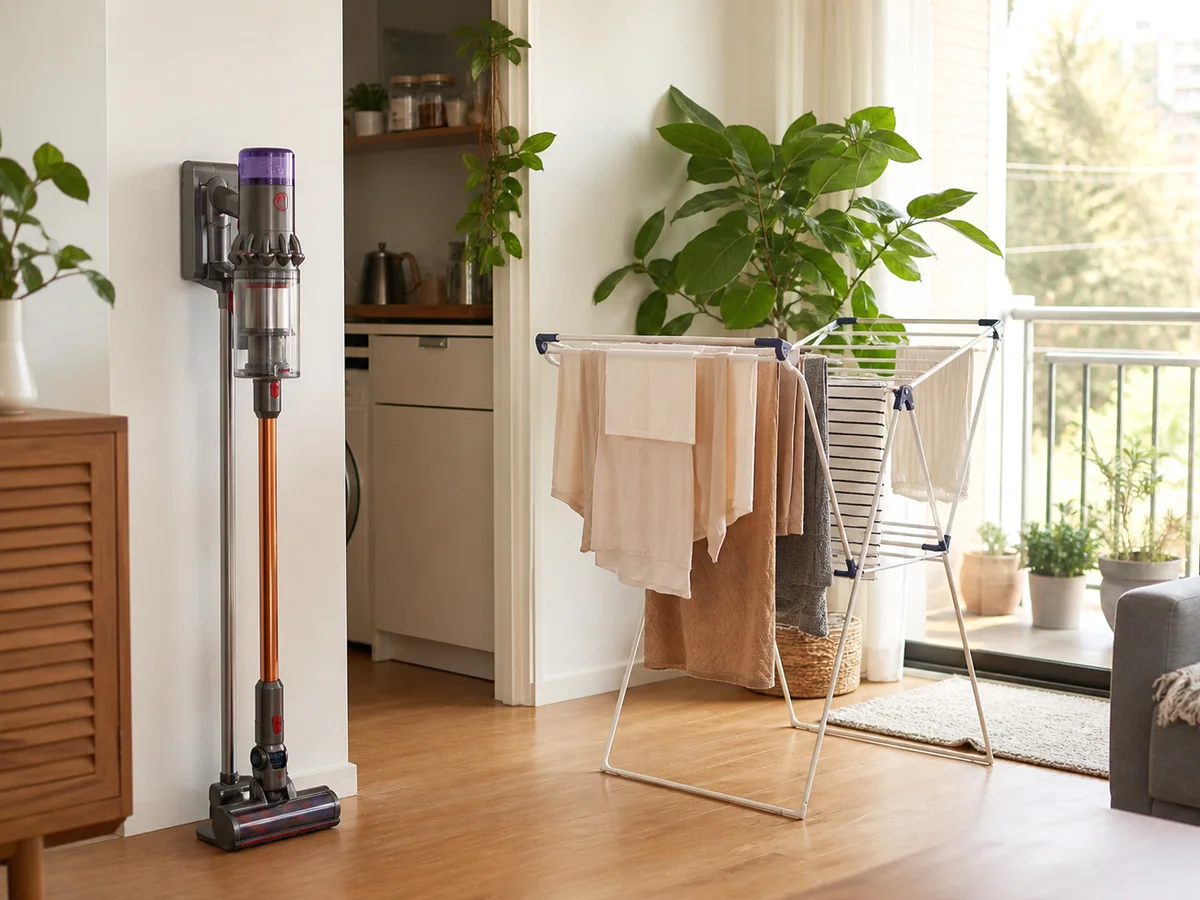
Runtime headlines matter less than weight, storage and how quickly the vacuum is ready for a five-minute clean.

A useful cookware set earns space through distinct jobs, not repeated sizes.

The first six feet of a home need a landing place for the things that otherwise migrate to chairs and counters.

Light control, fabric drape and thoughtful mounting can coexist.

An area rug should define a conversation zone without turning into a floating island.
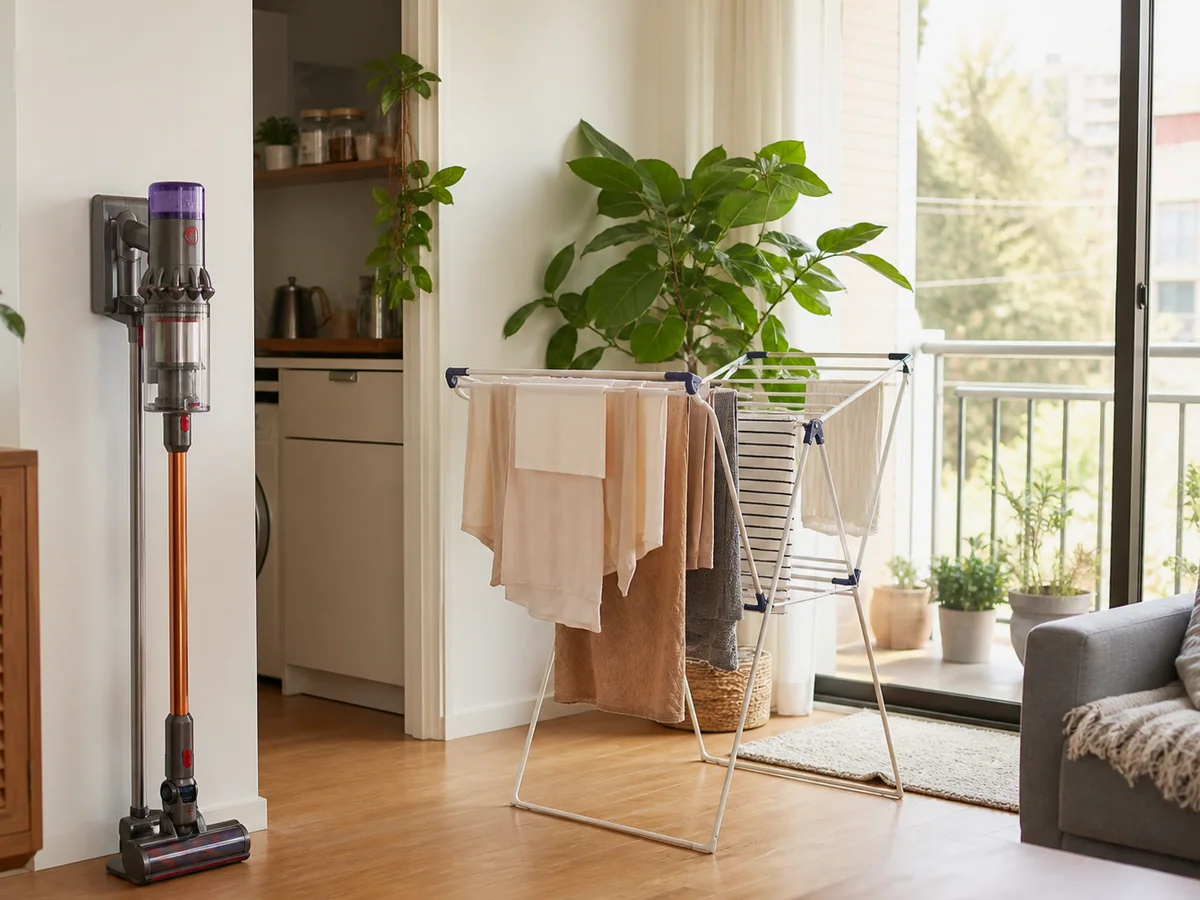
Room size, noise and filter cost decide whether an air purifier becomes useful or unplugged.

Stable movement, useful depth and cable control make a desk livable long after the novelty of standing wears off.

The best coffee station protects preparation space and keeps the daily sequence obvious.
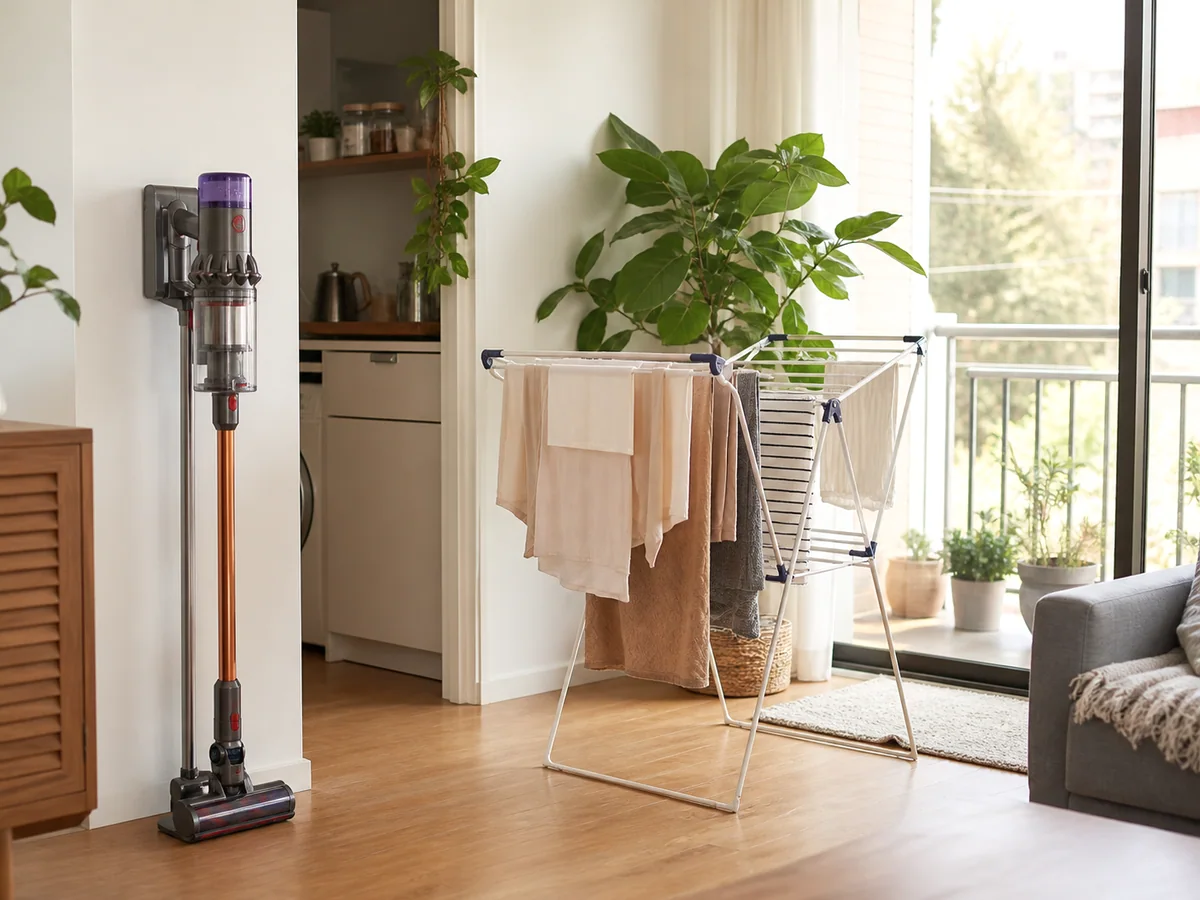
Density, loop quality and drying speed matter more than showroom softness.

A topper can tune firmness and surface feel, but it cannot repair a sagging mattress.
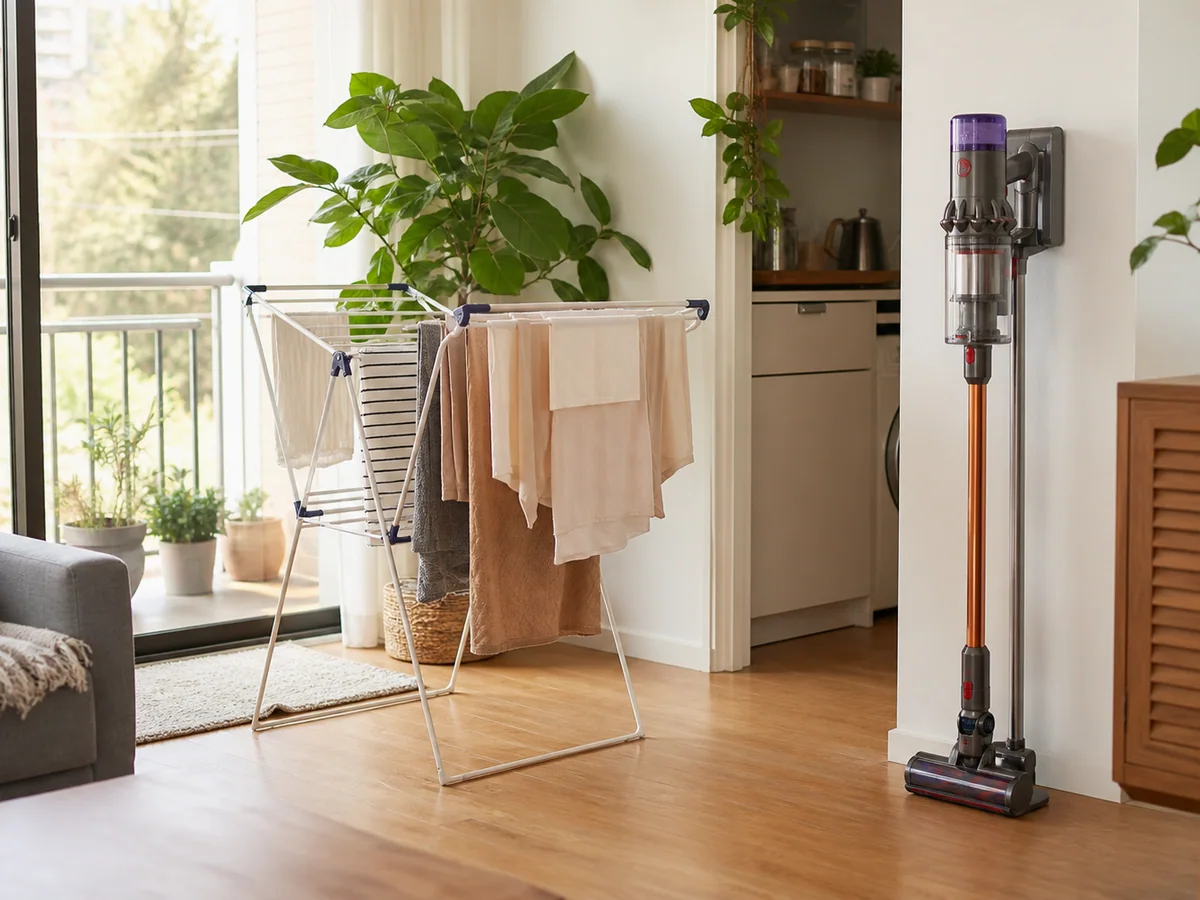
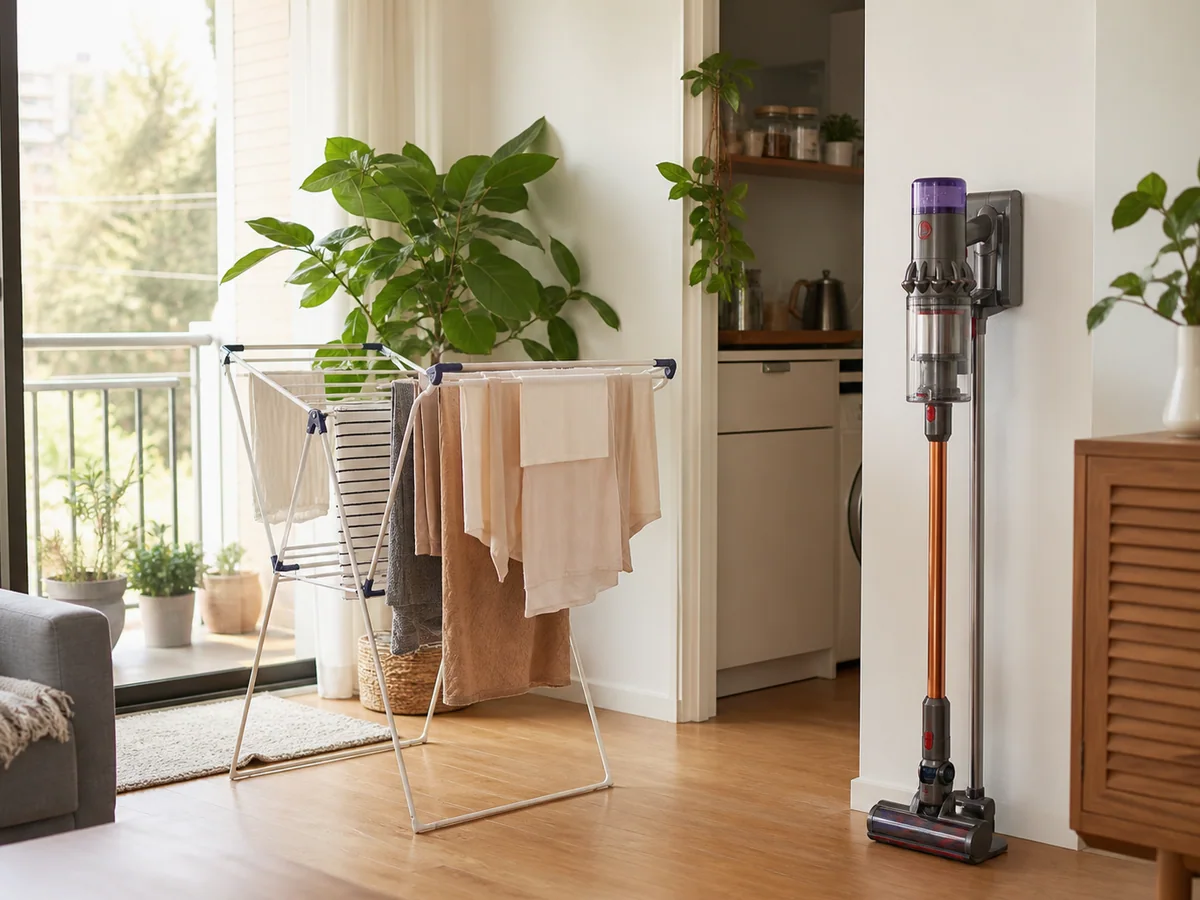
A drying rack must hold a real load, fit the open room and disappear efficiently afterward.

Containers should solve freshness, visibility or awkward packaging—not create a weekly transfer job.
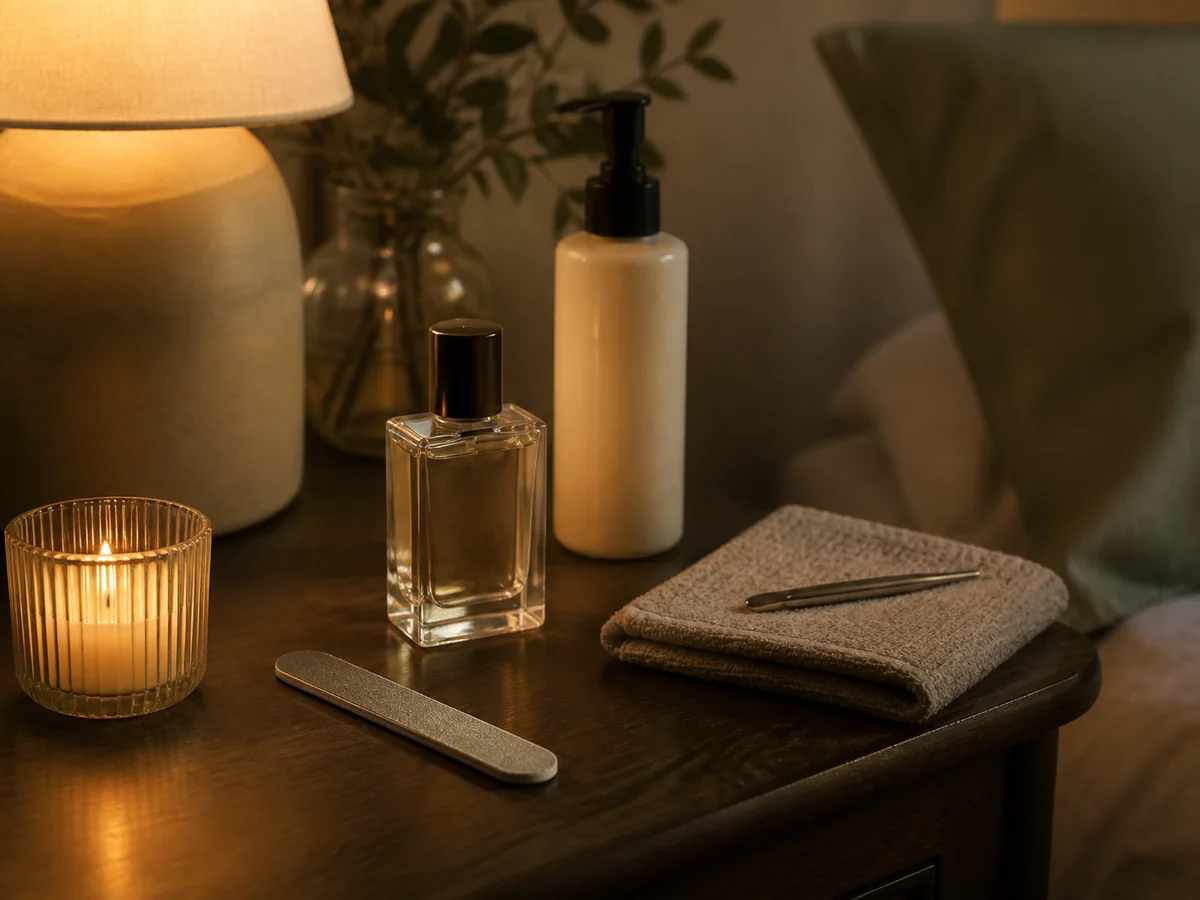
Good shower storage drains, stays reachable and can be cleaned without dismantling the room.

The right pot, tray and watering routine matter more than buying another gadget.
One comfortable seat, a stable surface and weather-aware textiles can turn a narrow balcony into a real room.

A useful capsule starts with your calendar, laundry rhythm and shoes—not an arbitrary item count.

Comfort, cleanability and sole shape decide whether white sneakers become staples or stay in the box.

Waist size is only the beginning; rise and seat shape determine whether jeans stay comfortable through a whole day.

A good tote balances access, weight and structure before decorative hardware.

The useful trench is a layer you can move in, close quickly and wear over your real wardrobe.

Fiber, twist, friction and care all shape how a sweater looks after the first month.

The most satisfying occasion purchase becomes three future outfits, not one perfect photograph.
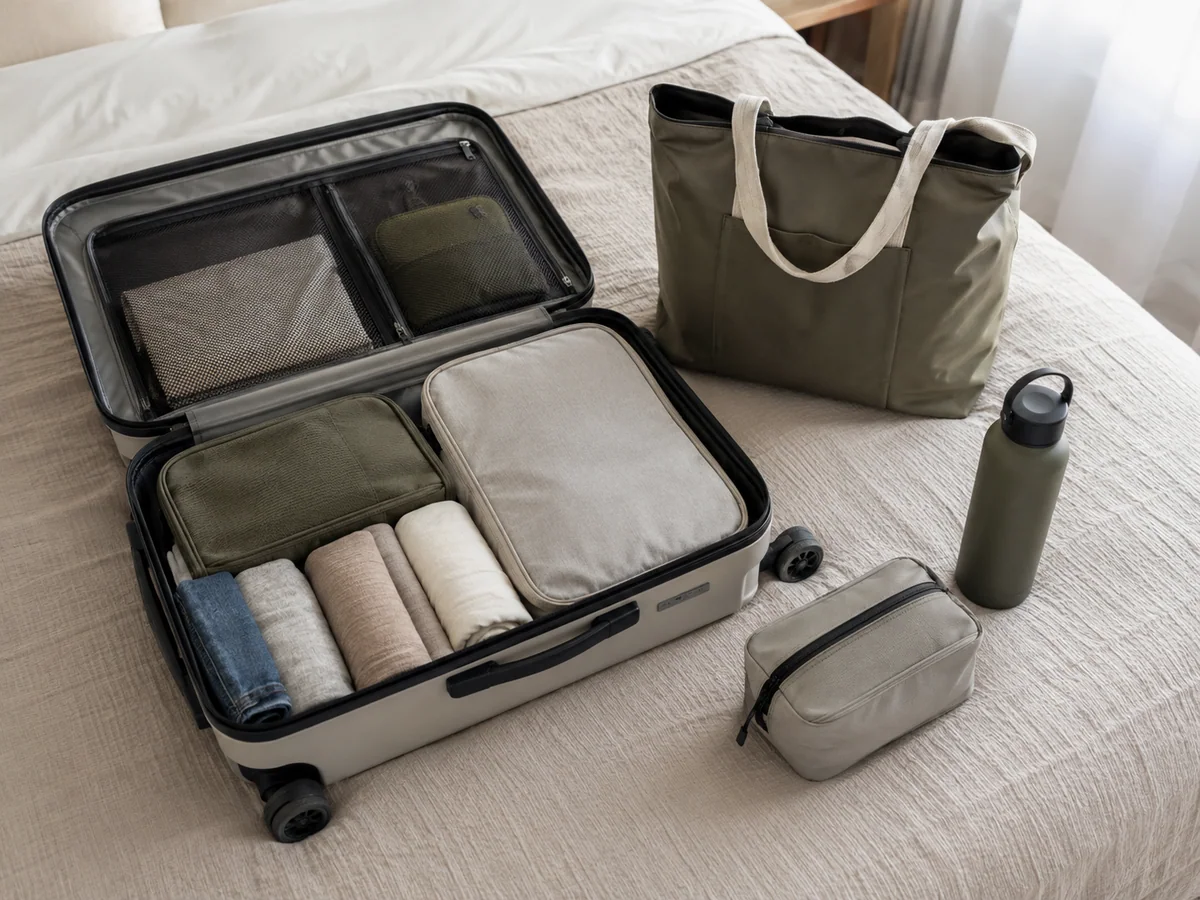
A travel wardrobe works when every layer handles repeat wear, weather changes and one unexpected plan.

Color, edge finish and cup shape matter more than a generic “nude” label.

Waistband behavior, seam placement and fabric recovery matter through errands, travel and desk time.

A short adjustment period is normal; sharp pressure and slipping are not promises of future comfort.

Warmth only helps when the coat closes comfortably over the clothes you really wear.

Linen is meant to move and crease; weight, blend and cut determine whether that reads relaxed or neglected.

A few pieces with different visual weights can do more than a drawer of near-duplicates.

The right bag fits a normal day with a little air left—not every emergency imaginable.

Softness at first touch is not enough; seams, waist pressure and moisture handling matter until morning.

The useful cleanser removes the day without making the routine feel like recovery work afterward.

A moisturizer can feel lovely alone and still cause makeup to slide or pill when layers meet.

Pilling often comes from the full layer stack, application friction and timing—not one “bad” formula.
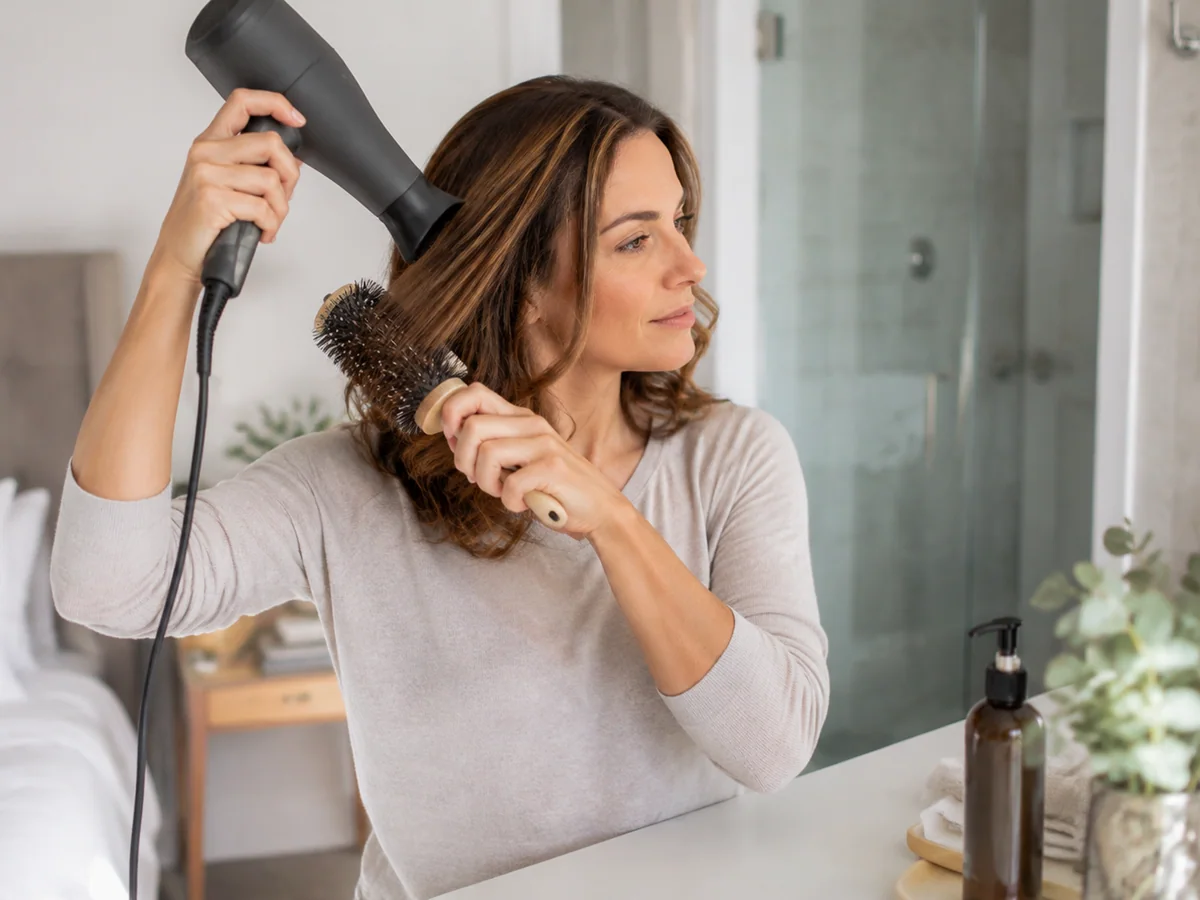
Airflow, control placement and weight decide whether a dryer genuinely saves time.
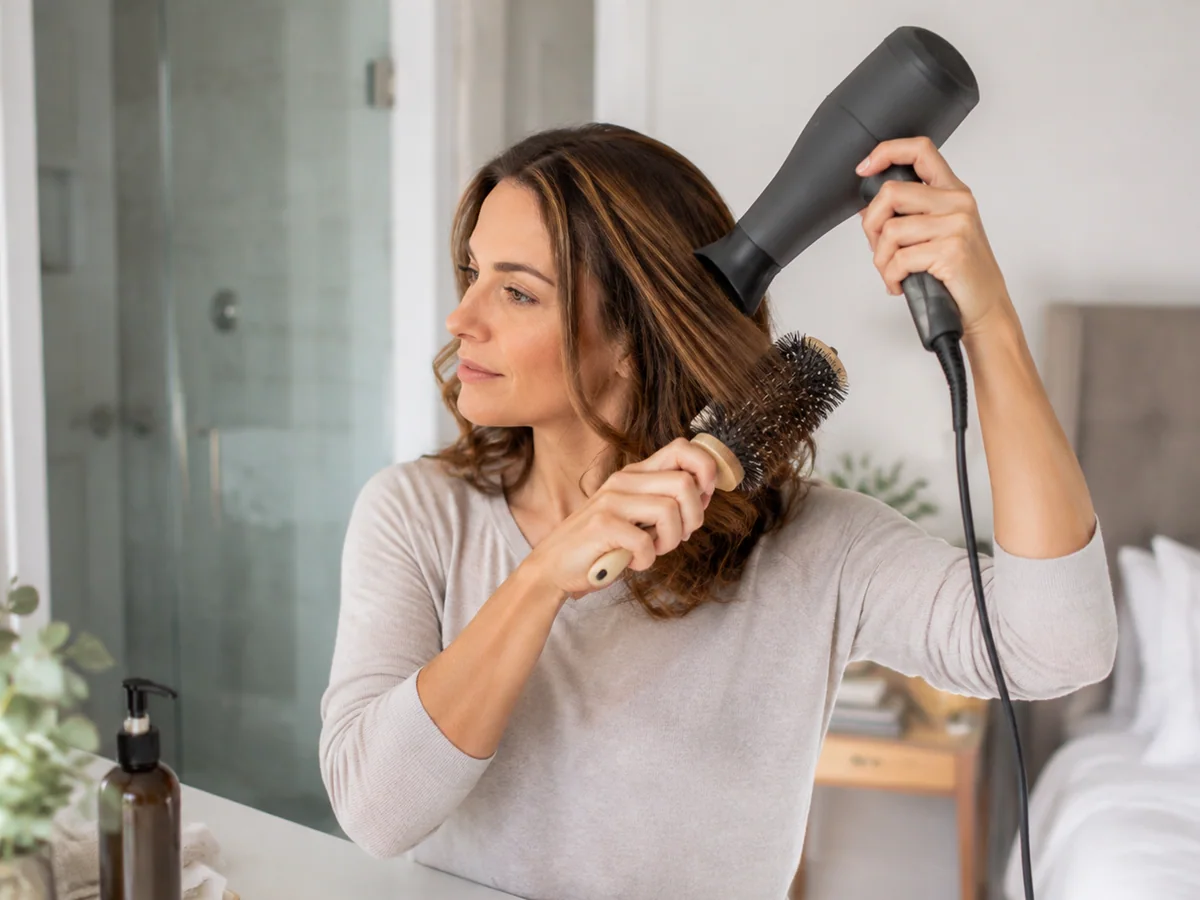
The right format spreads evenly, fits the tool and does not make clean hair feel prematurely coated.
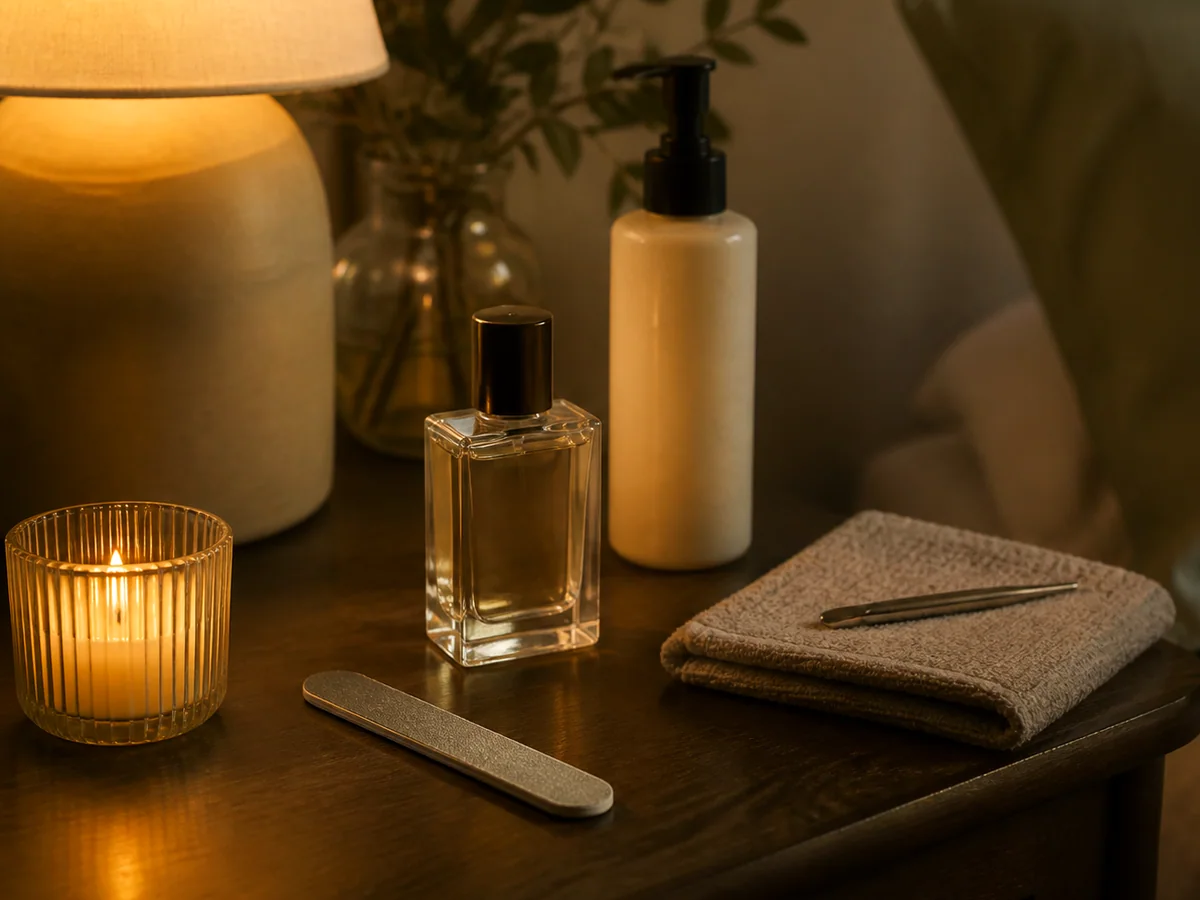
For shared spaces, projection and application matter as much as the scent itself.

A slow, simple routine is easier to assess than a shelf of simultaneous actives.
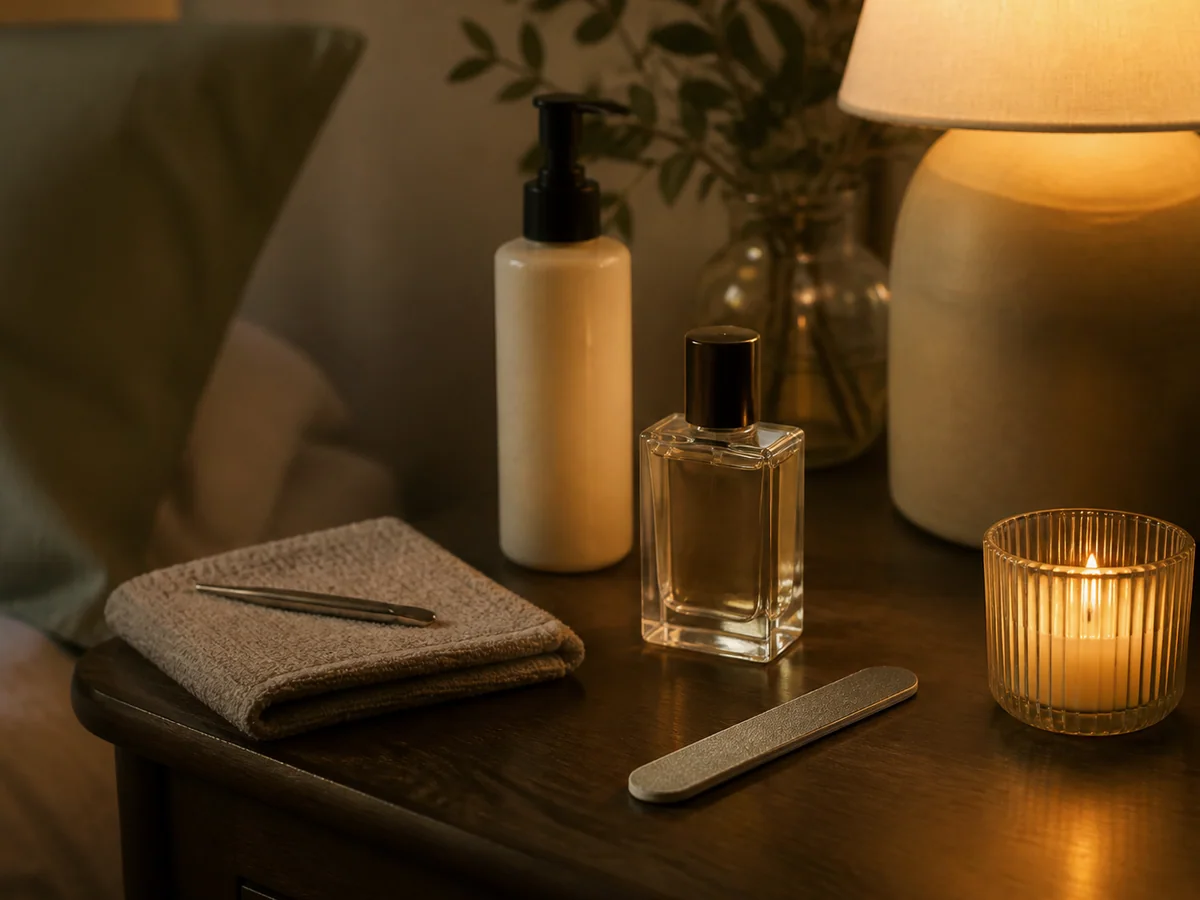
Texture, packaging and the moment you apply it determine whether a body lotion gets finished.
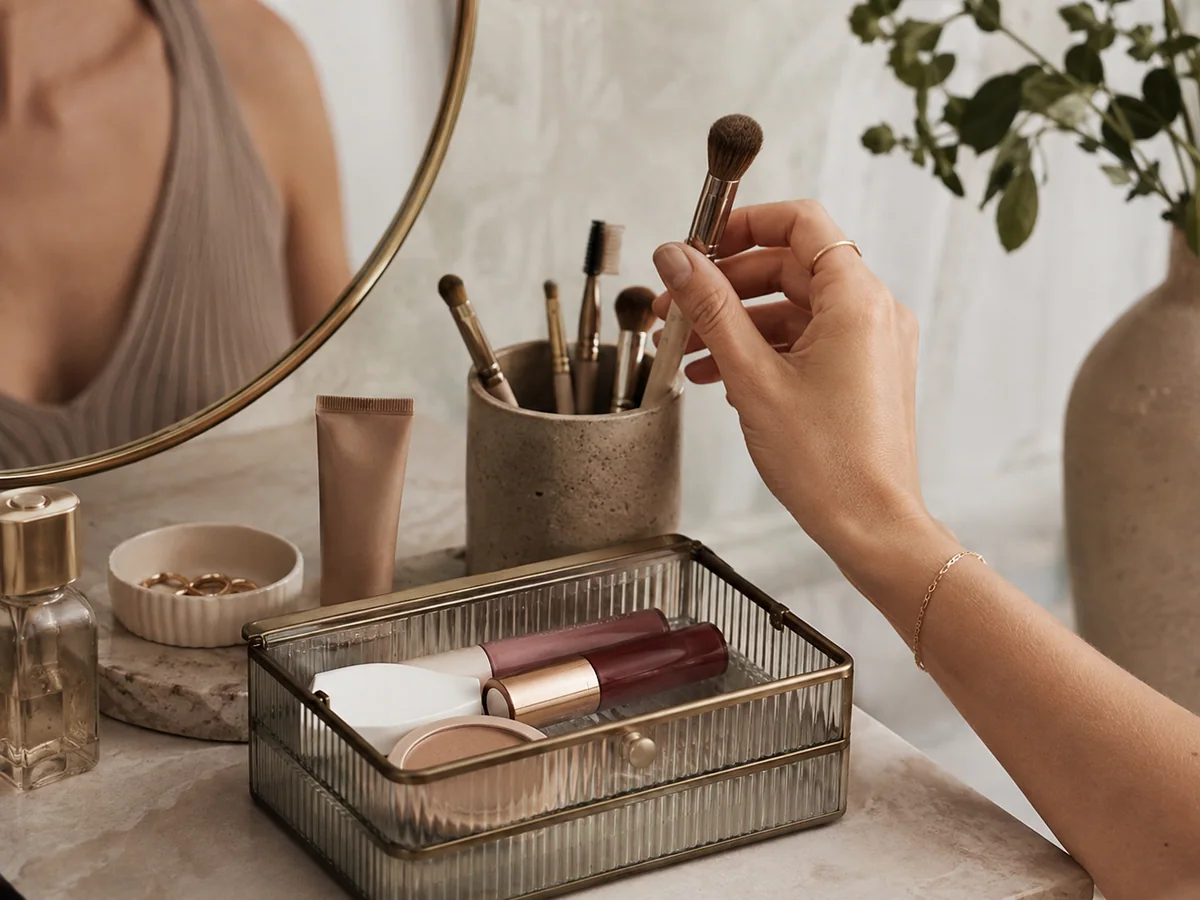
Five well-chosen shapes are easier to learn, clean and replace than a case of mystery brushes.
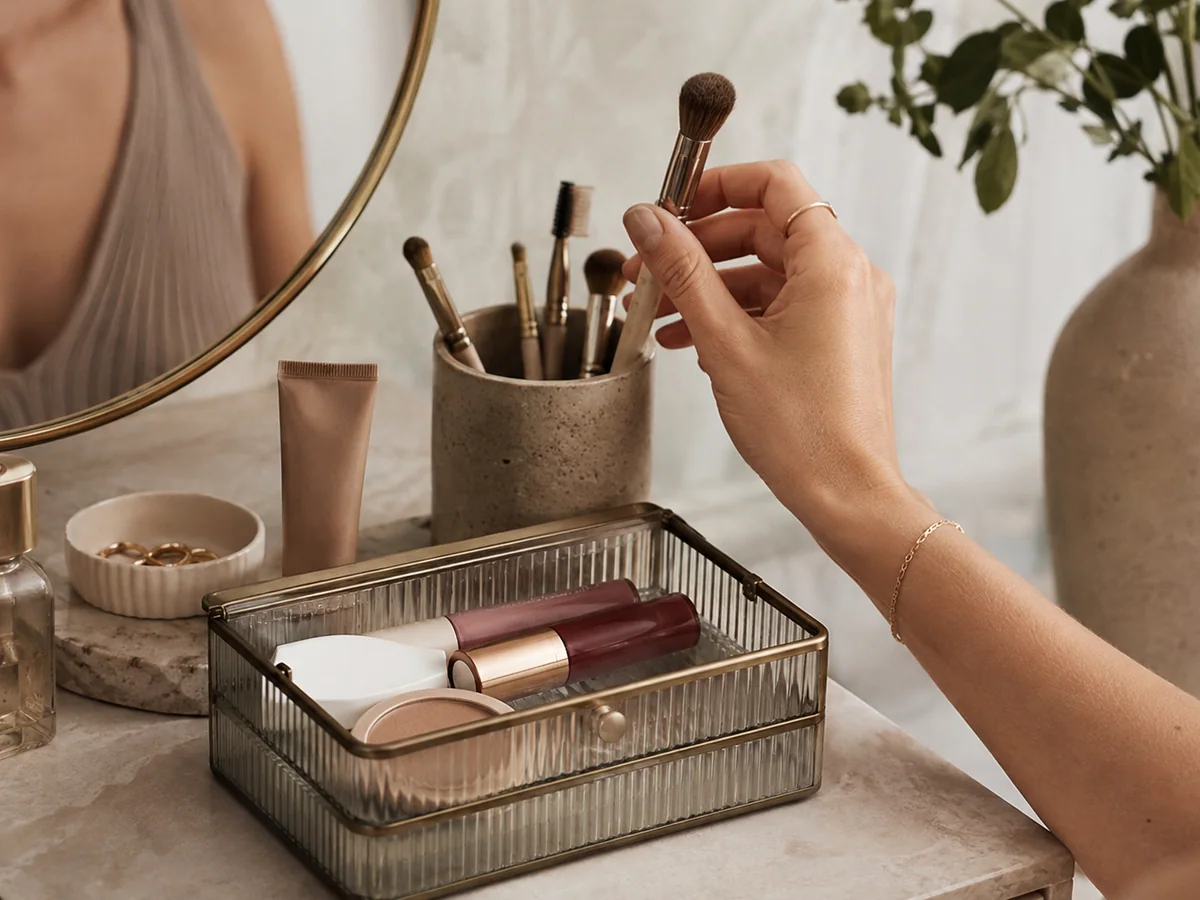
Sheer coverage should even the complexion without adding a complicated base routine.
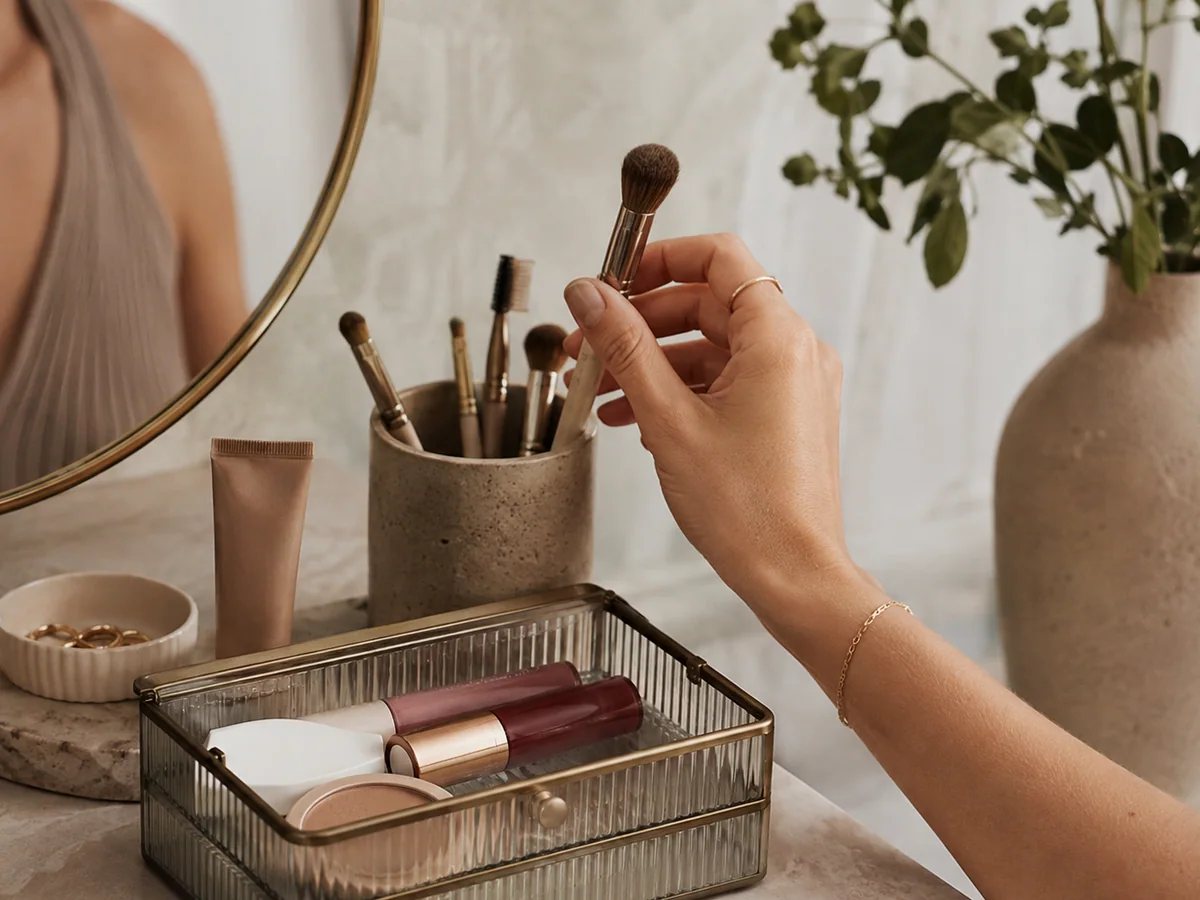
Undertone helps, but contrast, finish and the rest of your routine decide whether a lip color feels wearable.
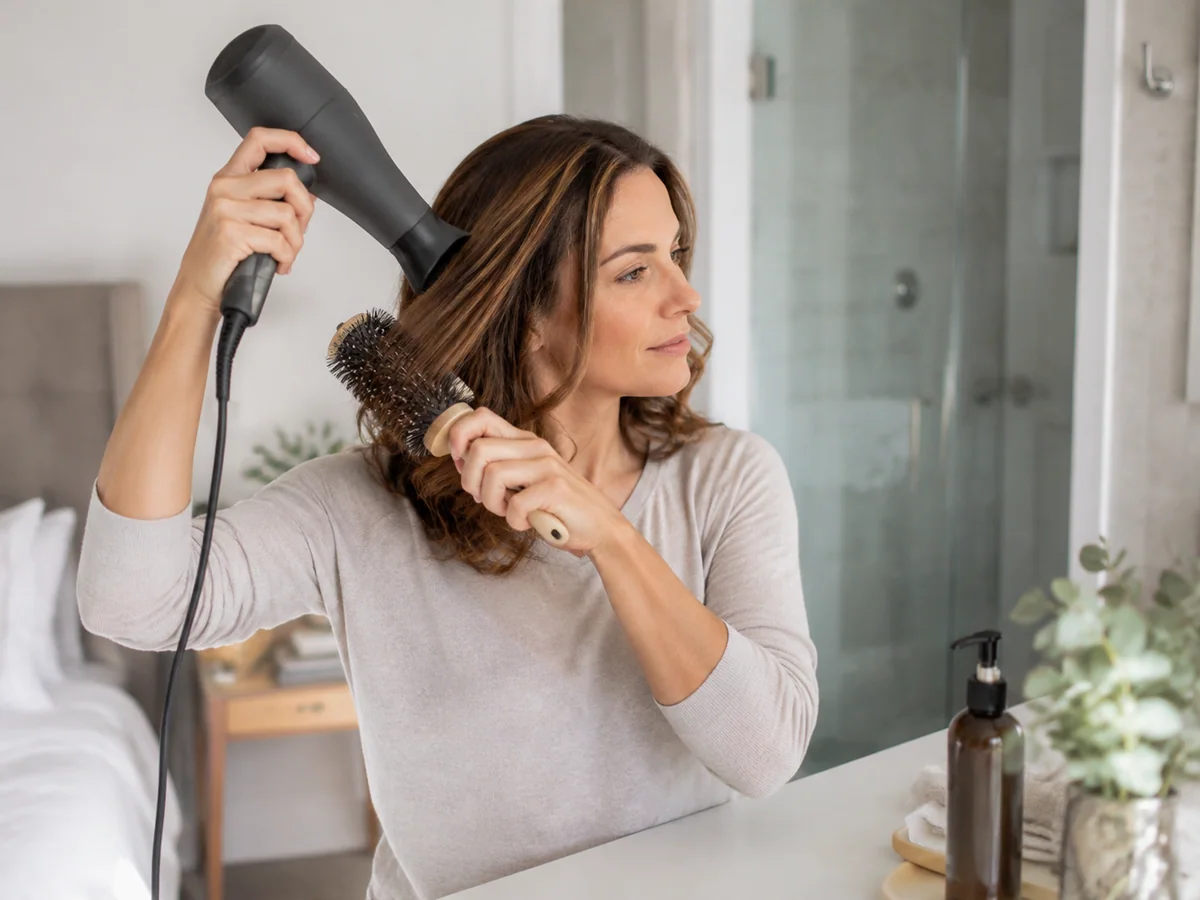
Treat the scalp and lengths as different zones instead of asking one product to solve opposite needs.
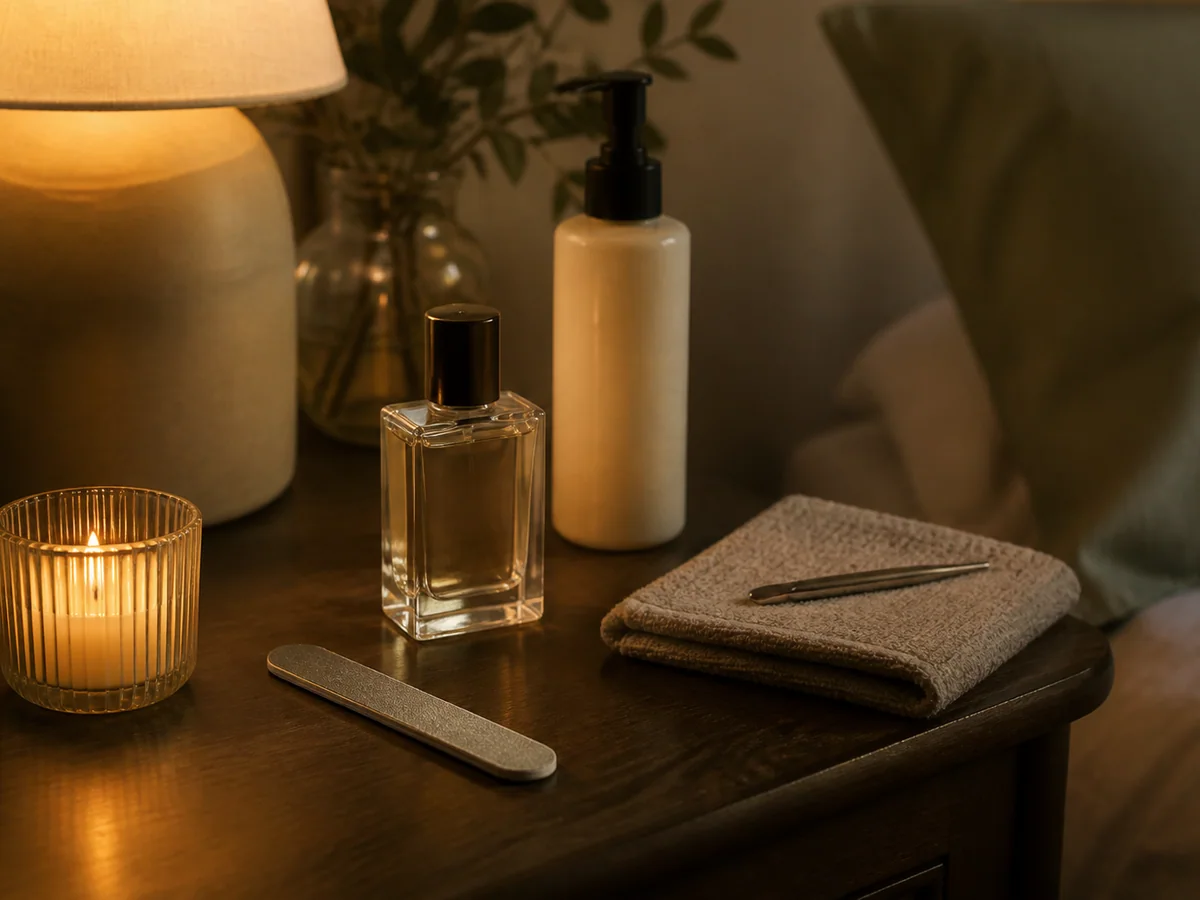
A file, gentle cuticle care and patient drying create a better routine than an oversized kit.
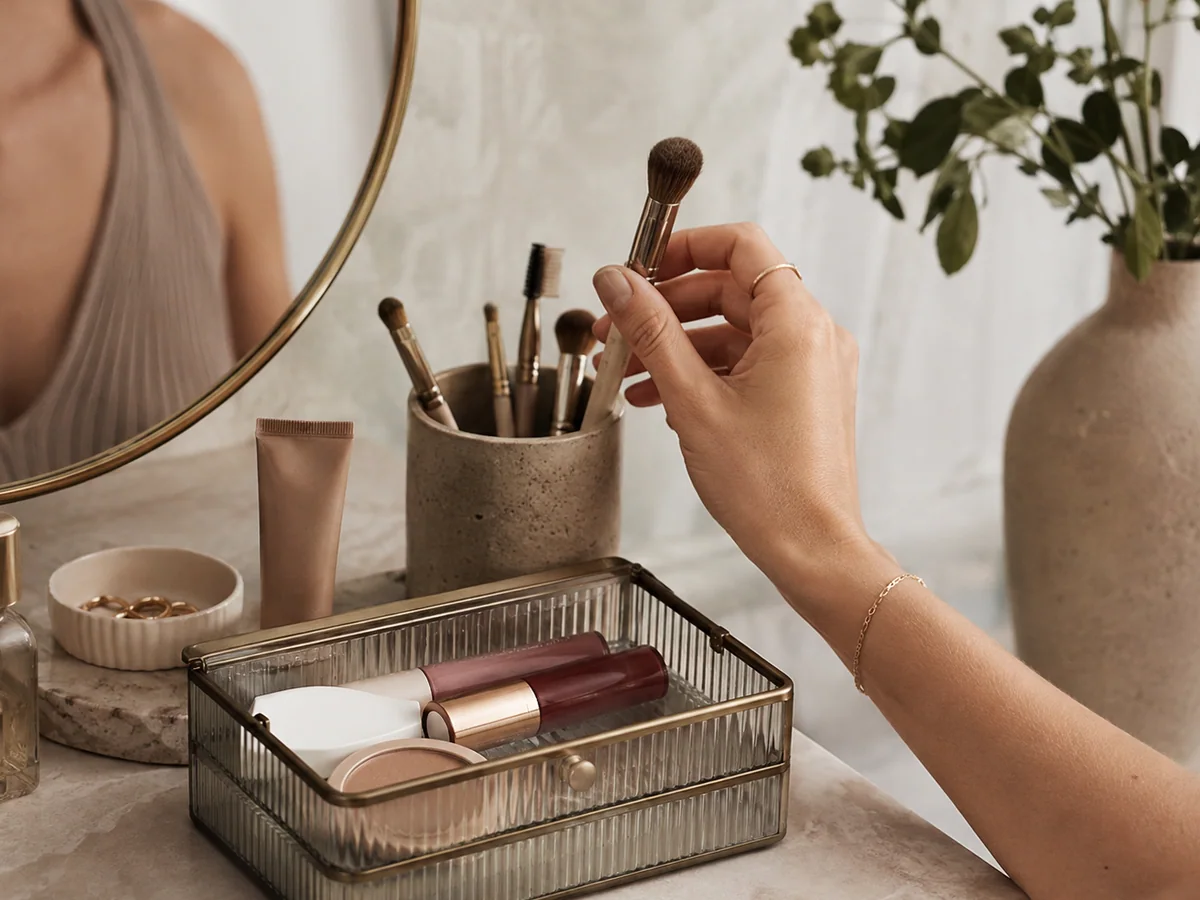
Organization should shorten decisions and keep products clean, not display everything you own.
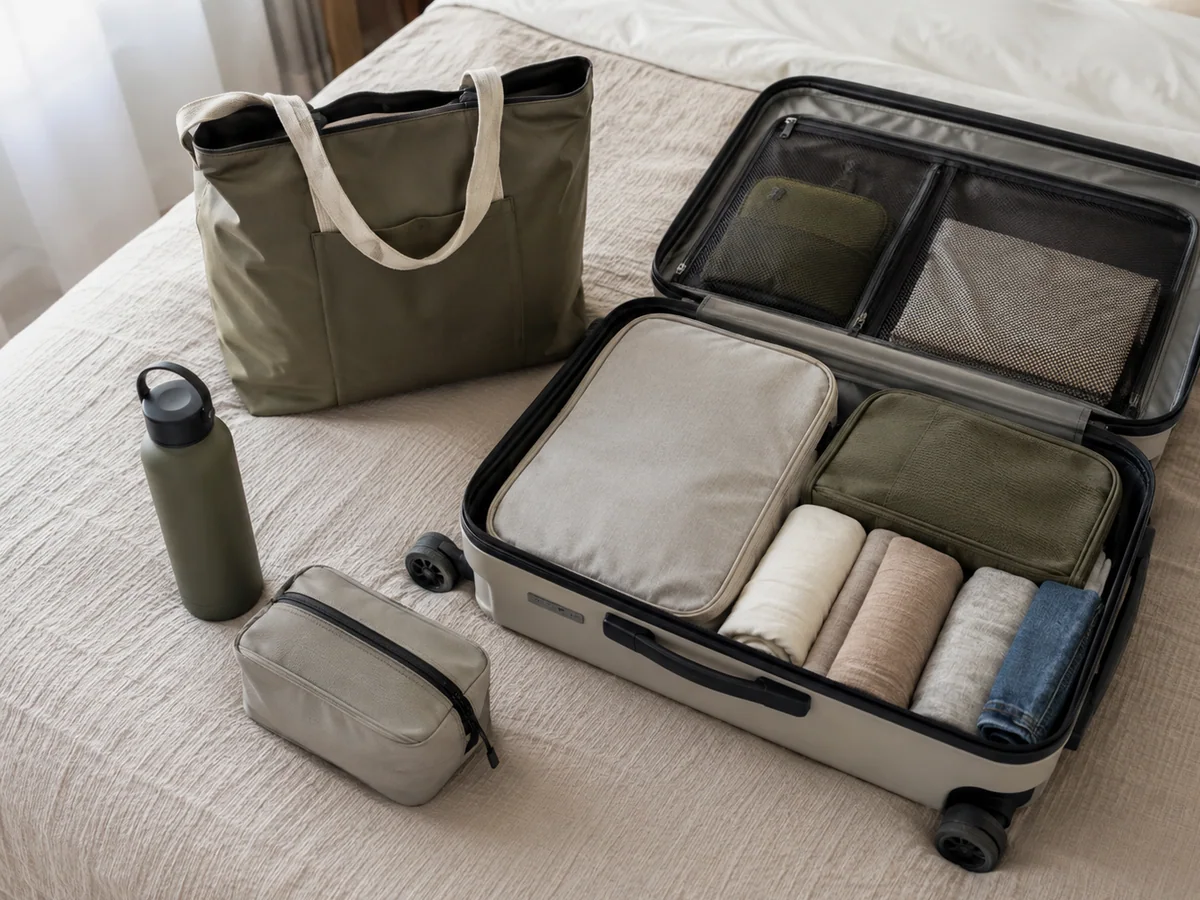
The useful travel organizer separates checkpoints, in-flight access and arrival—not every object into a pouch.
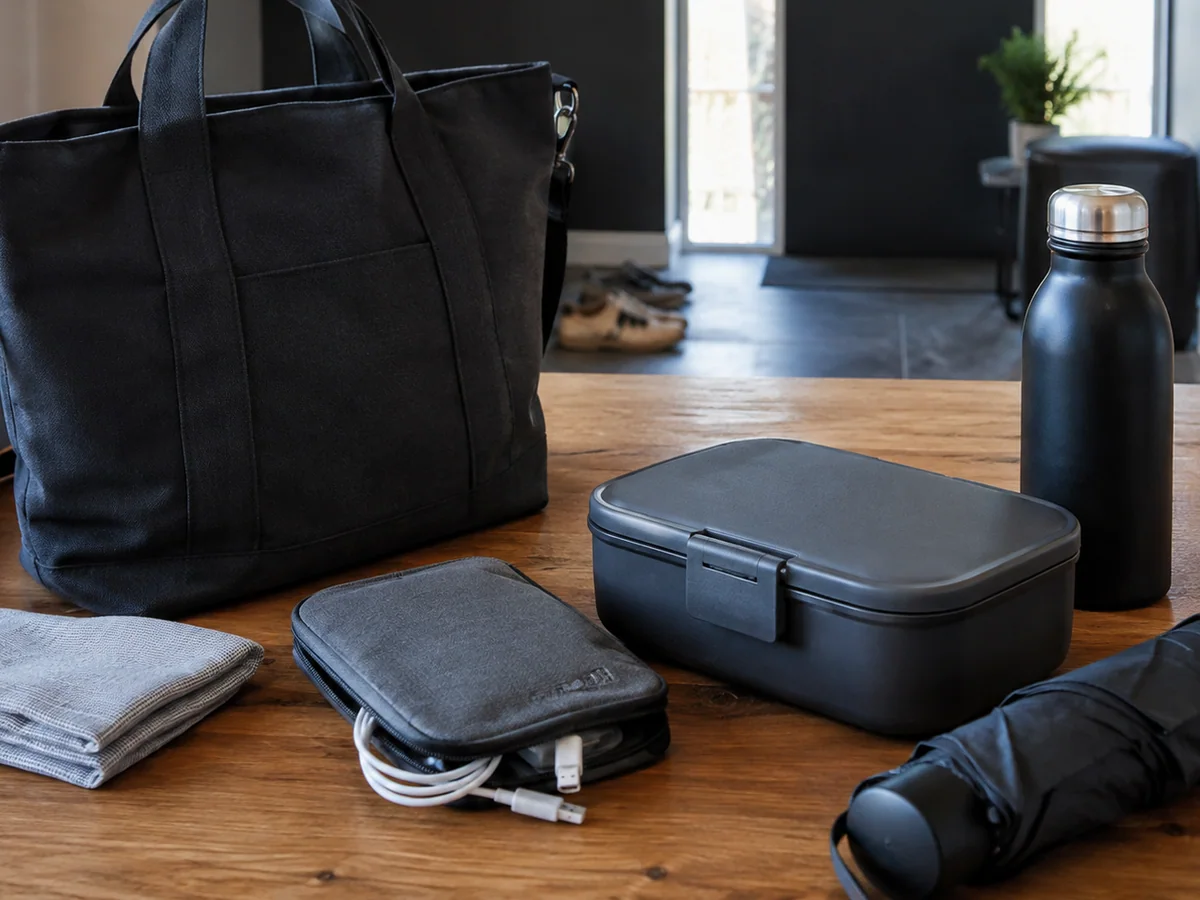
Weight, lid behavior and cleaning access matter more than an ambitious capacity.
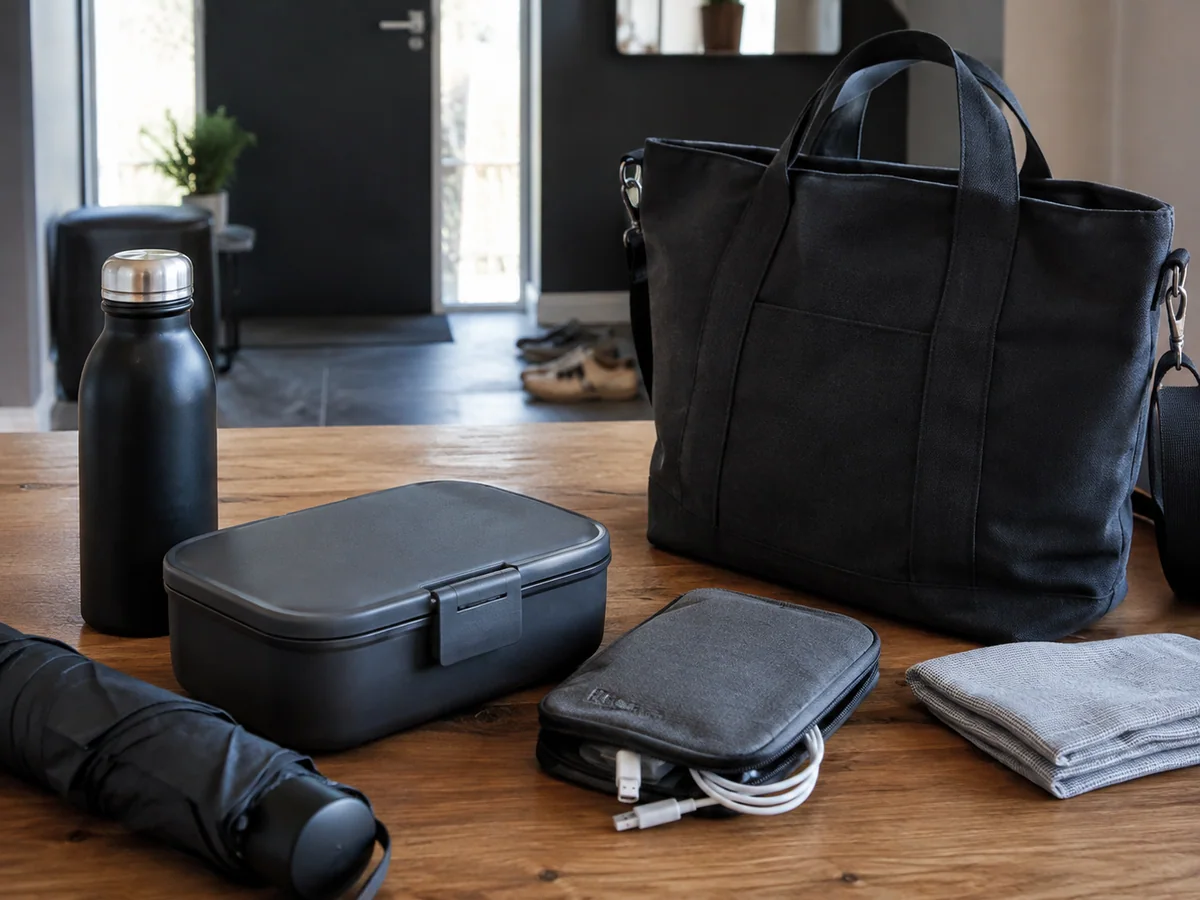
A compact pouch prevents cable tangles without becoming a museum of obsolete adapters.

The best host gift is easy to receive, modest to store and free from an obligation to serve it immediately.
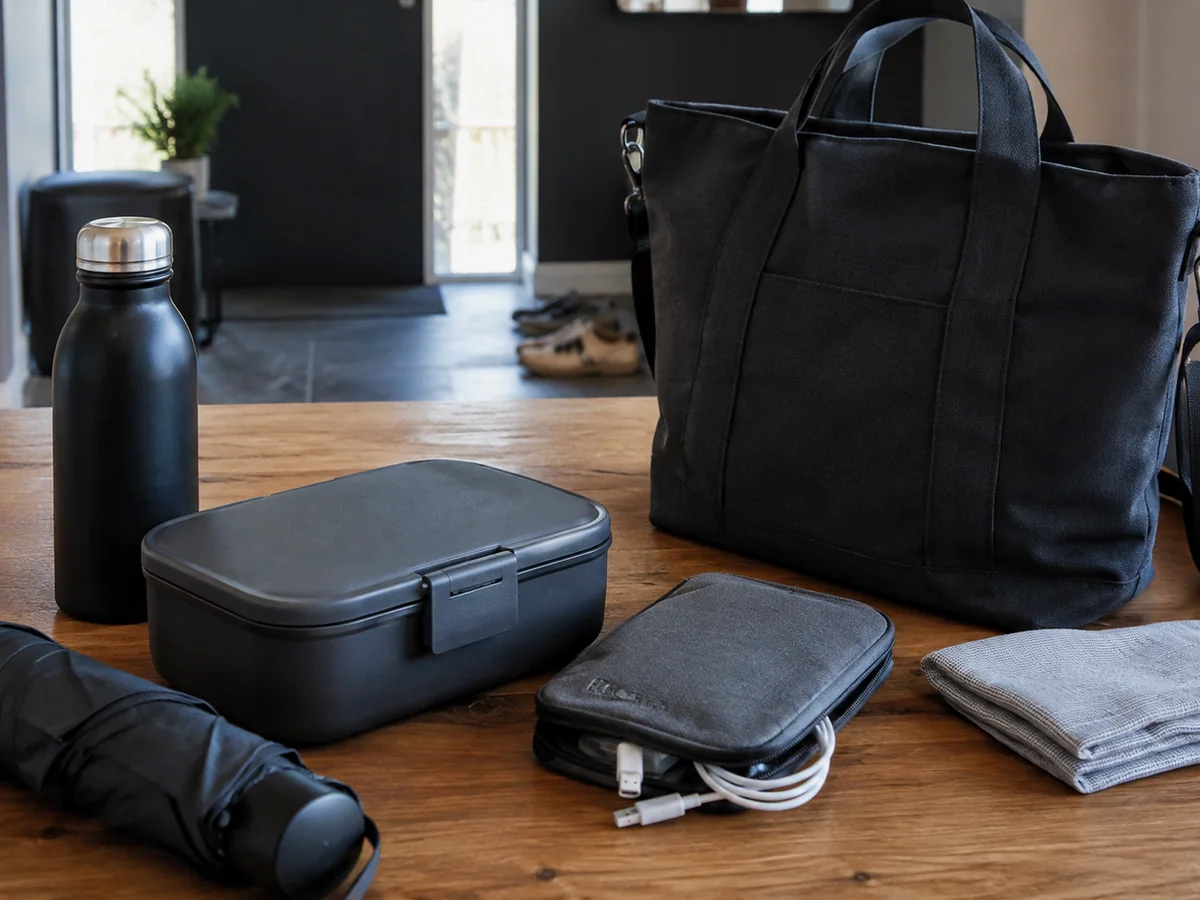
A dependable seal, useful shape and easy washing beat a clever stack of tiny parts.
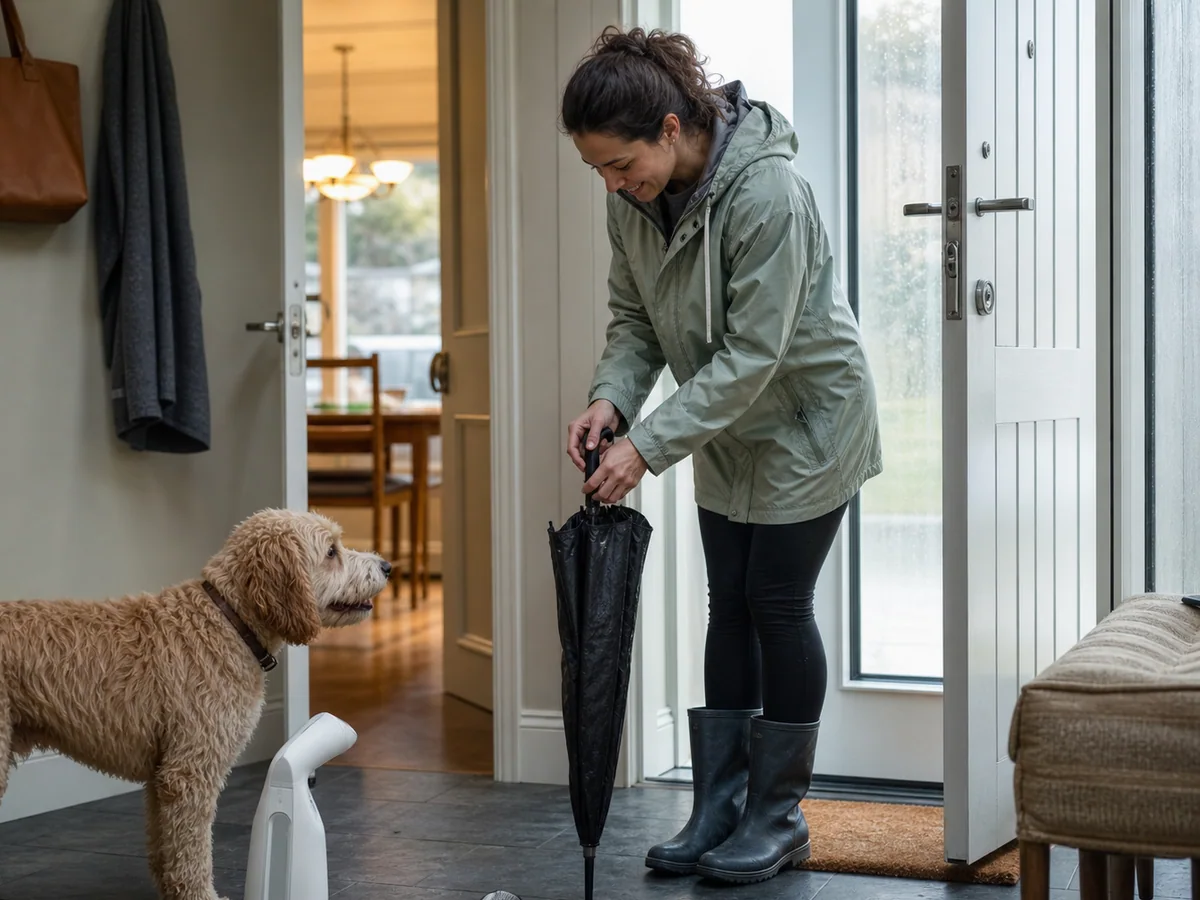
Heat-up time, water capacity and safe handling decide whether a steamer leaves the cupboard.
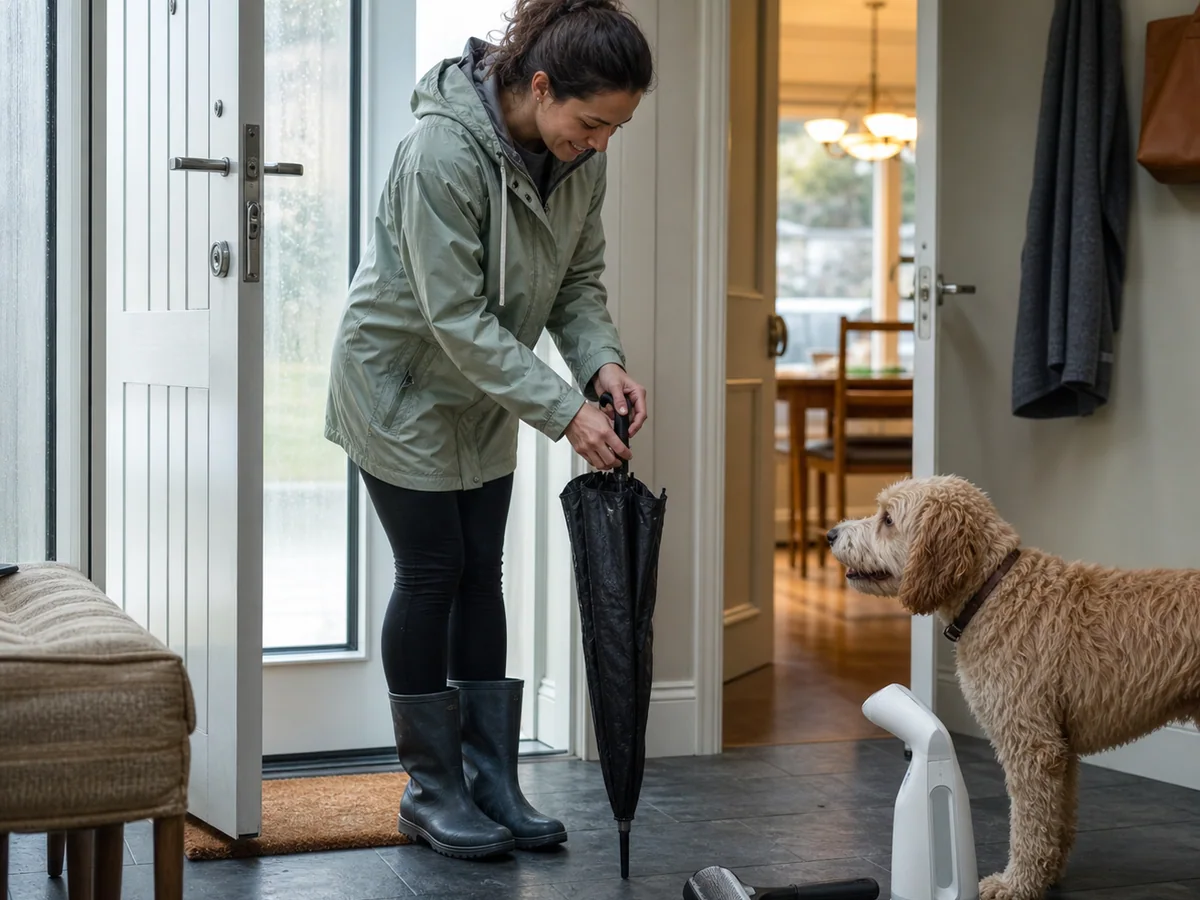
Different surfaces release hair differently; a small two-tool system often beats one universal gadget.

A useful umbrella opens reliably, recovers from gusts and is small enough to be present when weather changes.
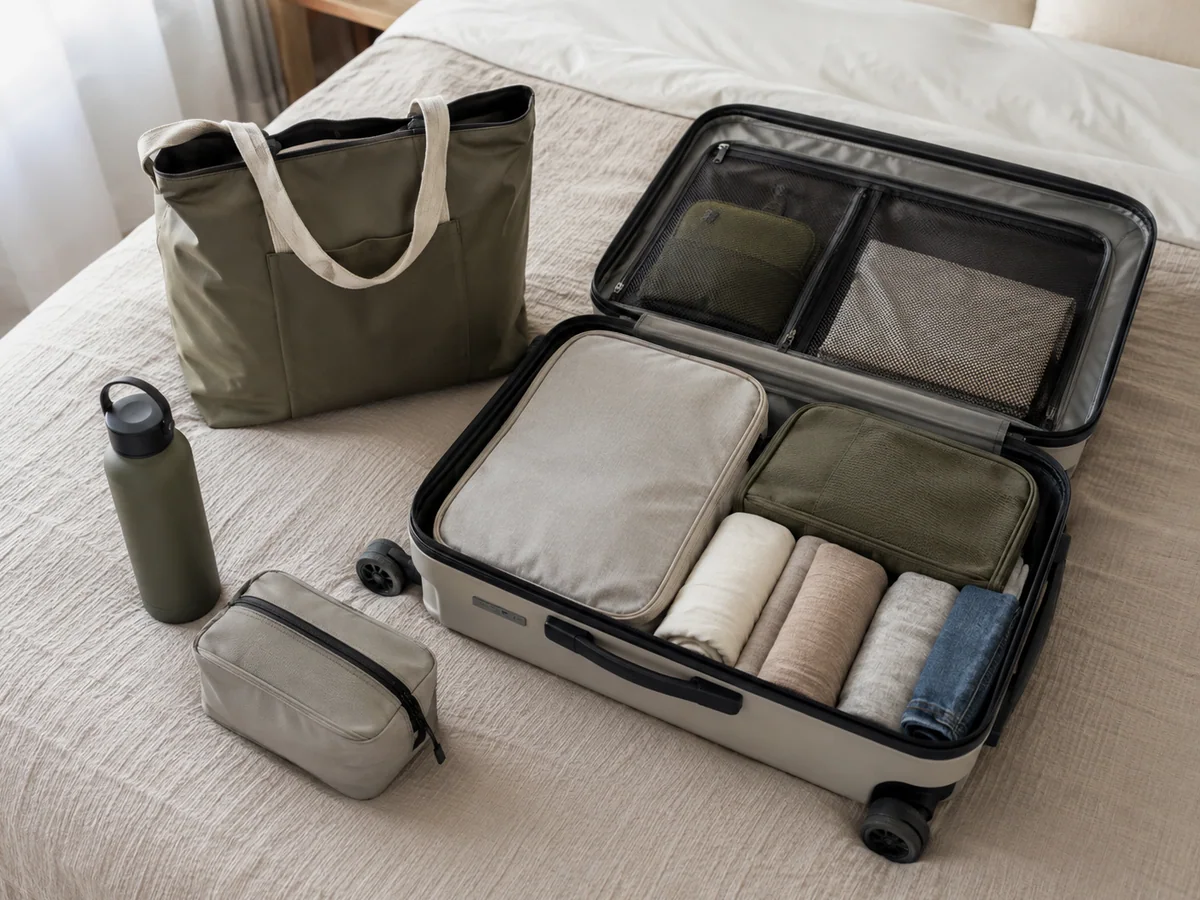
A weekend bag should make two nights simple without inviting five days of extras.

Light blocking only works if the mask stays comfortable at the temples and nose until morning.

Room size, ventilation and burn habits matter more than choosing the strongest fragrance.

A comfortable chair matters, but light, reach and a place for the book decide whether the corner gets used.